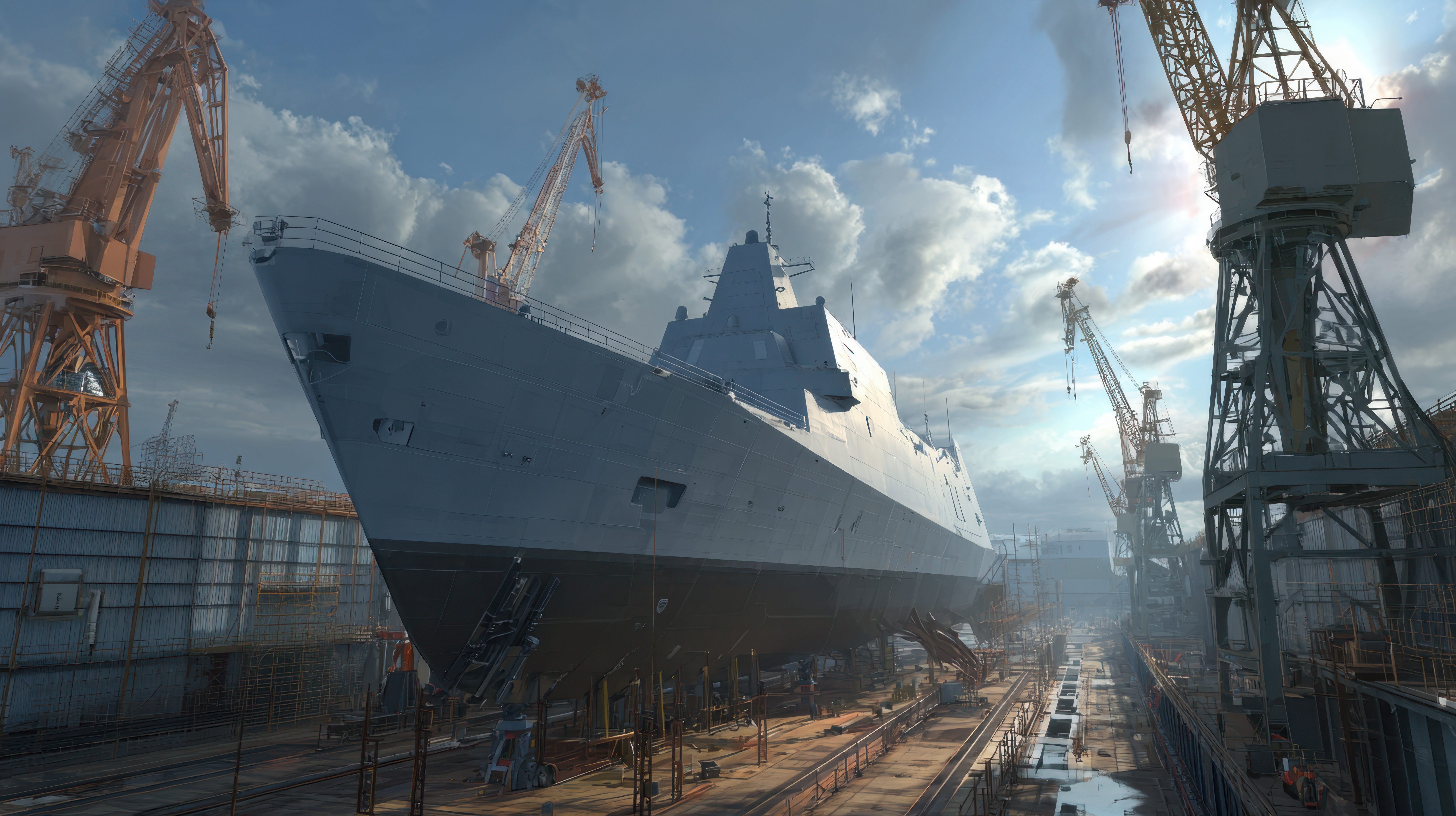
I read an article recently about wall-climbing robot swarms being introduced into the U.S. Navy’s fleet maintenance program—an effort aimed at reducing repair delays and improving operational readiness amid ongoing global threats.
One statistic in the article stood out.
According to the author, only about 60% of the Navy’s ships are operational at any given time due to maintenance backlogs. With a fleet of roughly 300 ships, that means approximately 120 vessels are out of service at any given time.
As a citizen, that’s concerning.
As an operator, it’s familiar.
And it raises a broader question—if an organization as sophisticated and well-resourced as the U.S. Navy is managing through this level of fleet downtime…
What does that mean for the rest of us?
It immediately got me thinking about fleet readiness in the ground transportation industry. While 40% out of service is a staggering number, I can recall periods in organizations I’ve led where availability challenges—driven by aging fleets, parts delays, and staffing shortages—combined with increasingly complex vehicle systems that require longer diagnosis times before a wrench is ever turned—created similar pressure.
And yet, here’s the question I kept coming back to:
Do we really measure this?
Fleet utilization—the percentage of vehicles in use on a given day—is tracked closely across most operations.
But what about the inverse?
What percentage of the fleet is out of service?
How long are those vehicles down?
And more importantly… do we understand why?
In many cases, the systems in place don’t make this easy. In some organizations I’ve led, this data wasn’t available at all—or at least not in a way that was actionable.
So we built it ourselves.
Fleet Readiness Isn’t a Maintenance Metric—It’s a Leadership Metric
Too often, fleet readiness is viewed as a function of the maintenance department.
It’s not.
It’s a reflection of leadership.
The Navy example makes that clear. This isn’t just a maintenance issue—it’s a system-level challenge that requires visibility, prioritization, and alignment with leadership.
Because when vehicles are consistently out of service, the impact doesn’t stay in the shop—it shows up everywhere:
Missed or delayed service
Increased spare ratios and capital strain
Dispatcher workarounds that introduce risk
Driver frustration
And ultimately, a degraded customer experience
And yet, many organizations don’t have a clear line of sight into the true health of their fleet.
They track utilization.
But they don’t always track availability with intent.