


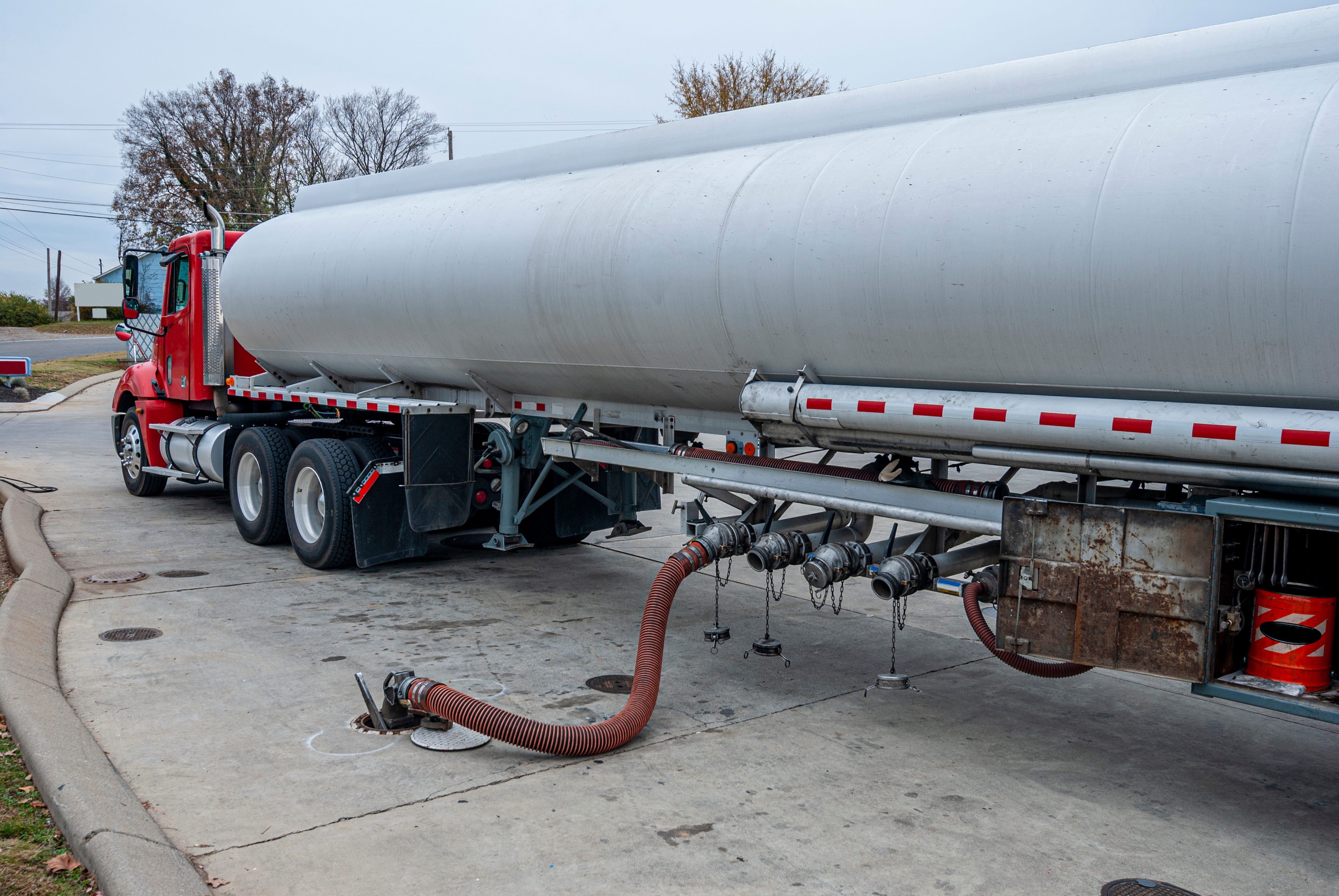
Diesel prices have increased substantially over the past year, putting significant pressure on motorcoach operators and their profitability.
The effects are immediate. Every mile costs more, every hour of unnecessary idling costs more, and trips priced months ago may no longer generate the margins originally anticipated.
It’s understandable that much of the conversation turns to fuel surcharges. After all, operators need a way to recover increasing costs, and customers need to understand why transportation prices are changing.
But I think there’s a broader conversation worth having.
Fuel-cost management is about much more than recovering higher prices. It’s about how effectively we manage the entire business.
I’ve spent much of my career operating transportation businesses, including periods when fuel prices rose dramatically and others when they declined just as quickly. Those experiences taught me that while we cannot control diesel prices, we can still influence
how fuel costs affect our businesses.
The question isn’t simply how to respond when prices increase. It’s whether we’ve established the management practices that allow us to respond effectively in the first place.
Fuel Prices Have Always Been Volatile
If you've been in the motorcoach industry for a while, today’s challenges probably feel familiar.
As the chart below shows, diesel prices have fluctuated significantly over the past two decades. We’ve seen dramatic increases followed by equally dramatic declines, sometimes within relatively short periods.
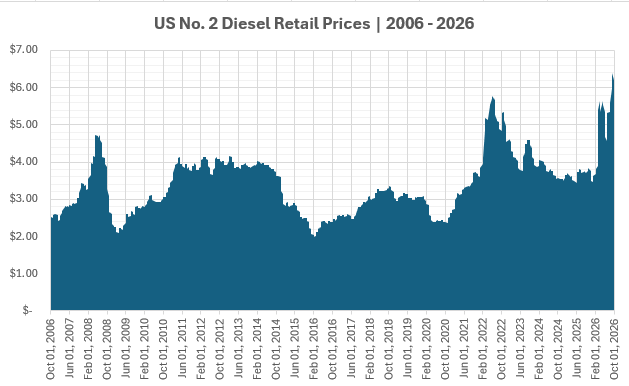
The circumstances behind each increase may differ, but the operational challenge remains largely the same.
When fuel prices rise, profitability comes under pressure. When they fall, the urgency to manage fuel consumption, purchasing, and pricing often fades.
That’s a mistake.
Trying to predict where diesel prices will go next isn’t a particularly reliable business strategy. Building a business that can withstand those fluctuations is.
I believe operators should consistently focus on four areas, regardless of what diesel costs today.
1. Manage Consumption
The first opportunity is also one of the most obvious: how much fuel are we actually consuming, and why?
