


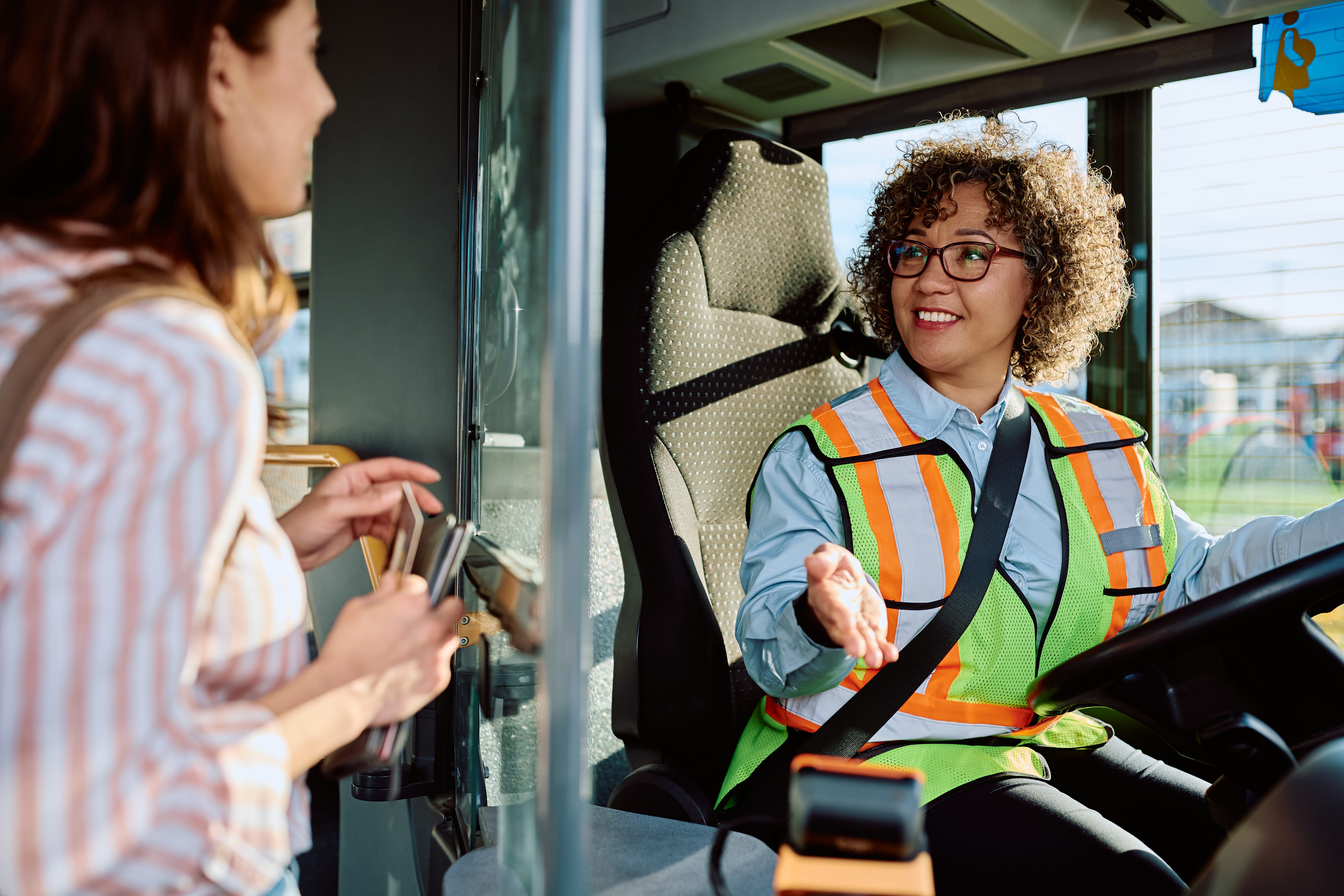
A personal milestone: This is the 100th edition of Ground Transportation Insights. It seems fitting that #100 is about something that has shaped much of my career—the connection between leadership, culture, and the experience we create for our customers.
Every transportation company moves people from one place to another.
The best transportation companies do something more—they create an experience people remember.
That’s because they’re not just in the transportation business.
They’re in the hospitality business.
The vehicle is simply how they deliver it.
Every day, operators invest tremendous energy in the operational side of the business. They focus on safety, maintenance, scheduling, staffing, routing, technology, fuel costs, and customer communication. Those things are all essential.
But when customers remember an experience, they rarely talk about your dispatch software or how efficiently you scheduled a run.
They remember how you made them feel.
That feeling isn’t accidental.
It’s created by leadership.
Hospitality Is More Than Being Friendly
During my years on the senior leadership team for Parking and Transportation at Walt Disney World, we spent as much time talking about the Guest experience as we did about the vehicles that delivered it.
Safety, reliability, maintenance, and efficiency mattered tremendously. But so did the smile at the vehicle door. The greeting at the tram stop. The way a Cast Member responded when something went wrong. The way a Guest felt at the end of the interaction.
We didn’t simply hope we were delivering a great experience—we measured it. We regularly received Guest satisfaction feedback and Cast experience feedback, tracked the results, and used those insights to drive improvements. We didn’t treat the experience as intangible. It was managed.
We also recognized that many Guest interactions weren’t unique. Every day, Cast Members encountered questions about directions, confused Guests, long waits, accessibility needs, weather disruptions, missed stops, and countless other situations.
Rather than expecting each Cast Member to figure it out on their own, we anticipated the most likely scenarios, set clear expectations for how we wanted those interactions handled, and reinforced them through annual training.
We even gave Transportation Cast Members a small card they could carry with their ID as an everyday reminder of our Guest Service Principles. It wasn’t a substitute for training. It reinforced the basic behaviors we expected Cast Members to demonstrate every day.
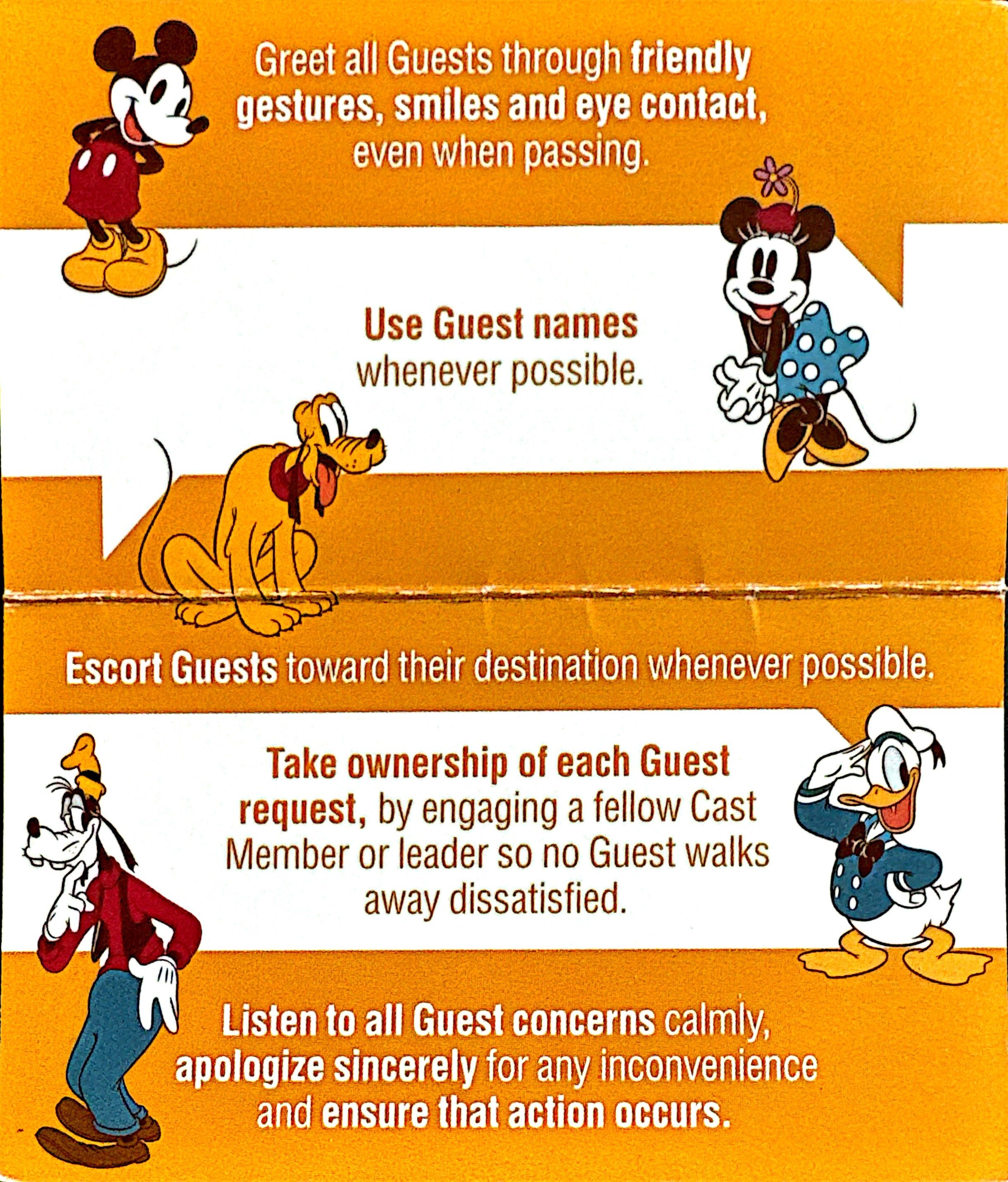
That’s an important distinction.
We weren’t scripting every conversation. We were creating consistency in the experience.
We wanted Guests to receive the same level of care, professionalism, and hospitality, no matter which Cast Member they encountered.
That’s the first lesson many transportation companies miss.
Hospitality isn’t simply about hiring nice people.
It’s about creating clear behavioral expectations that every employee understands, and every leader consistently reinforces.
That’s culture.
Great Service Is Operational
Many organizations treat customer service as a personality trait.
Some employees “have it.”
Some don’t.
The best hospitality organizations take a different approach.
They define what great service looks like.
They prepare employees to deliver it.
They coach it.
They observe it.
They measure it.
They recognize it.
They reinforce it.
In other words, they operationalize hospitality.
That’s a leadership responsibility—not a frontline employee responsibility.
