


Part 1 of a Leadership Case Study Series
When most people think about struggling operations, they picture unhappy customers.
Low satisfaction scores.
Declining demand.
Negative reviews.
This wasn’t that kind of problem.
Guests loved the service.
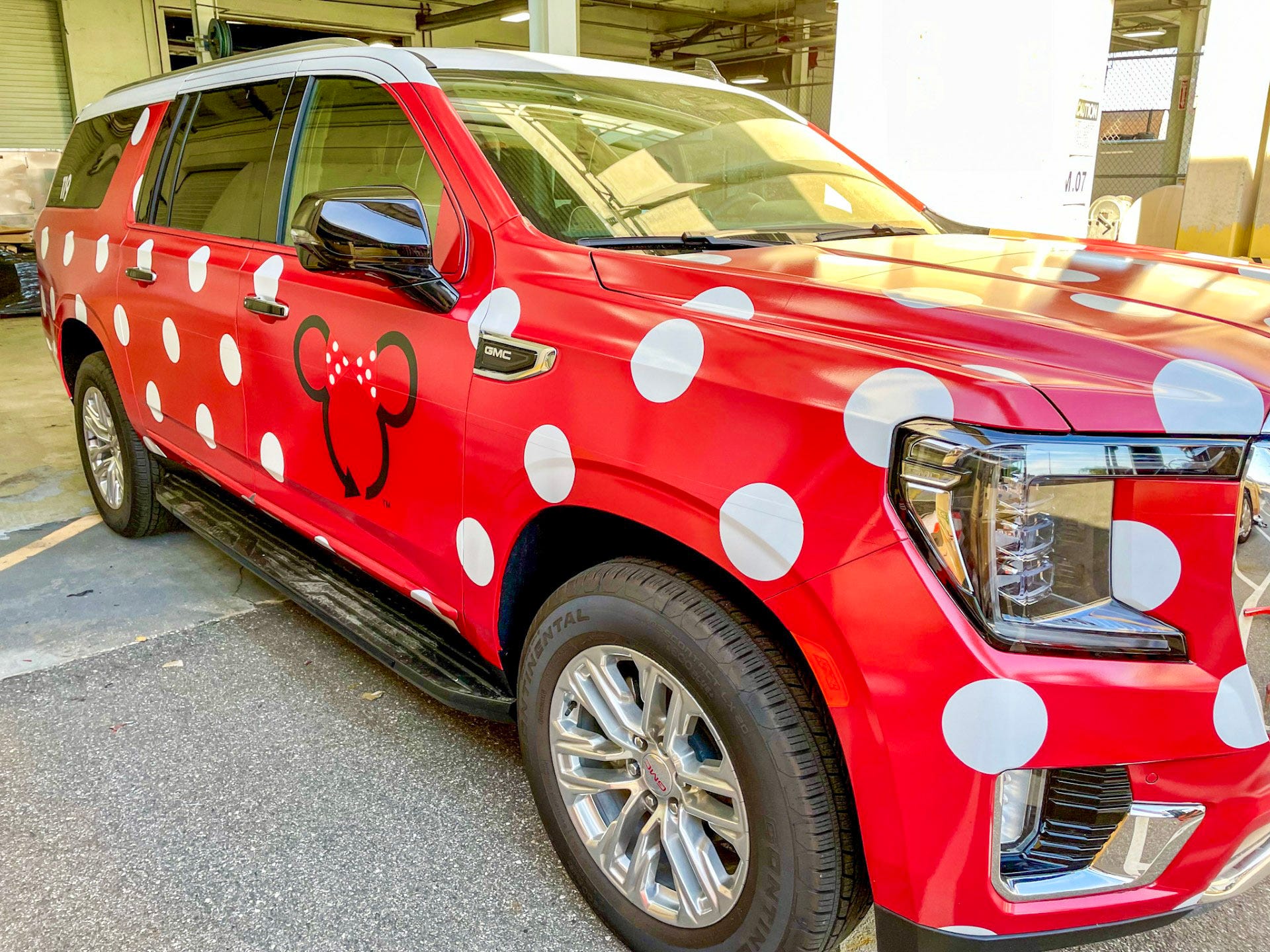
Originally launched in 2017 in partnership with Lyft, Minnie Van is Disney’s premium rideshare-style transportation service at Walt Disney World.
The service combines Disney guest experience standards with the convenience and flexibility of rideshare transportation.
One of its biggest advantages is that it delivers guests directly to the same front-door pickup and drop-off locations used by Walt Disney World bus transportation—including the parks and Disney Springs—but on demand.
Traditional rideshare services often require guests to use pickup and drop-off areas located well away from park entrances. Minnie Van eliminates much of that friction by integrating directly into Disney’s transportation ecosystem.
That matters more than many people realize.
Walt Disney World’s transportation system largely operates as a hub-and-spoke network. Depending on where guests are traveling, reaching their destination may require multiple transfers—sometimes between entirely different modes of transportation.
In some cases, transportation itself can consume an hour or more of a guest’s day on each end of the trip.
Minnie Van provides guests with a more direct, flexible, and personalized alternative within a transportation system that serves millions of visitors annually.
The service combines the flexibility and responsiveness of rideshare with Disney-level service standards and operational integration.
For many guests, it becomes more than transportation.
It becomes part of the Disney experience itself.
Guest response was overwhelmingly positive.
But popularity and long-term sustainability are not always the same thing.
Behind the guest experience, the business was facing growing challenges.
And most guests never saw them.
A Service Built Around Experience
Minnie Van was intentionally designed with convenience, accessibility, and the guest experience in mind.
But the operation itself was significantly more complex than many people realized.
Behind the scenes, the business relied on a dedicated vehicle fleet, a rideshare technology platform, complex labor scheduling, operational coordination, third-party maintenance support, and Disney-level service expectations layered across the entire experience.
The operation wasn’t simply moving guests from one location to another.
It was delivering a premium hospitality experience inside one of the world’s most recognized brands.
And in the early years, guest response reinforced confidence in the concept.
Demand grew.
Guest satisfaction remained strong.
The service became highly visible throughout the resort.
From the outside, the operation appeared successful.
But appearances can be deceiving.
The Problem Behind the Popularity
By late 2019, concerns about the long-term sustainability of the operation had become increasingly difficult to ignore.
The service was popular.
Demand remained strong.
But the business underneath the guest experience was struggling.
The challenge wasn’t attracting riders.
The challenge was turning demand into sustainable financial performance.
That distinction mattered.
Because growth can sometimes hide inefficiencies that become harder to ignore as an operation matures.
The question was no longer whether guests valued the service.
They clearly did.
The question was whether the business model itself could support long-term success.
That's when I was asked to add Minnie Van to my responsibilities.
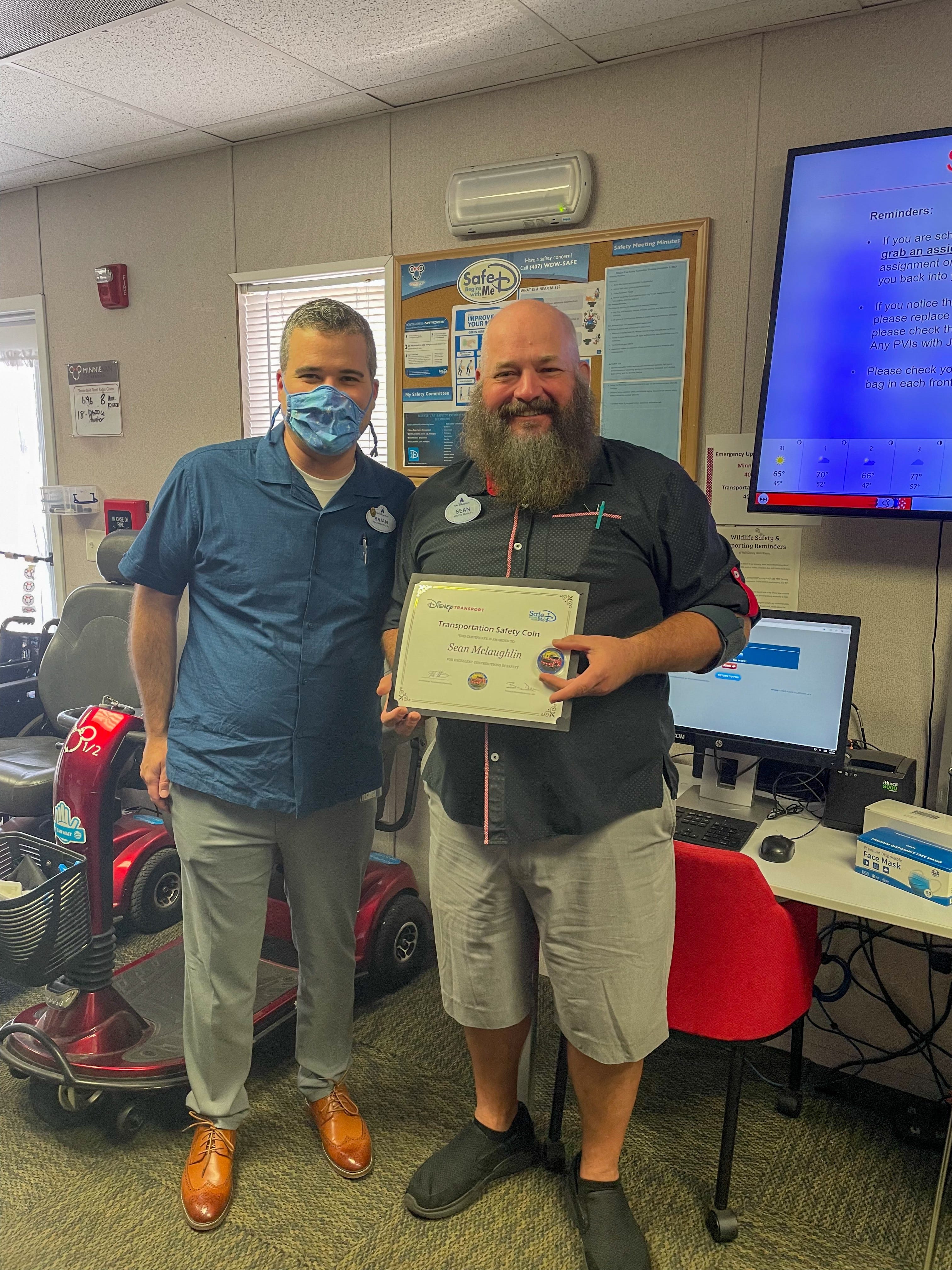
At the time, I was already leading another transportation division at Walt Disney World. While I was familiar with Minnie Van operationally, I also understood that familiarity and understanding are not the same thing.
Minnie Van was a very different operation.
Different labor model.
Different operating rhythms.
Different guest expectations.
Different challenges.
Before making major decisions, I believed I needed to understand the operation from the ground level.
Learning Before Leading
So I went through Minnie Van driver training.
Dispatcher training.
And I shadowed opening and closing shifts alongside the managers responsible for daily operations.
I wanted to understand the operation as the frontline team experienced it.
Not through reports.
Not through presentations.
Through the work itself.
The deeper I immersed myself in the operation, the more I began to see things that weren’t immediately obvious from a spreadsheet.
There is a difference between reviewing performance metrics and understanding how an operation actually functions.
Some of the most important insights don’t appear in dashboards.
They appear in handoffs.
In delays.
In utilization patterns.
In scheduling decisions.
And in the countless small operational realities that shape performance every day.
But they also appear in the decisions that shaped those realities.
Decisions made months—or even years—earlier.
Assumptions that had become accepted as fact.
Processes that made sense when the operation launched, but no longer served the business as it evolved.
The deeper I immersed myself in the operation, the clearer it became that the challenges we were facing hadn’t emerged overnight.
They had been building over time.
And the deeper I got into the business, the clearer it became:
The issue wasn’t demand.
The issue was the operating model supporting the demand.
Then COVID arrived.
