Part 1 of 3 — The ACLO Turnaround Series
“Don’t confuse motion with progress. And don’t confuse revenue with profit.”
The former VP & GM said that to me once.
At the time, it sounded like a general leadership principle — the kind of thing you nod at and file away.
Three months into my first executive role as VP & GM, it felt uncomfortably specific.
After the initial energy of leadership change had faded, profitability at American Coach Lines of Orlando (ACLO) hadn’t improved.
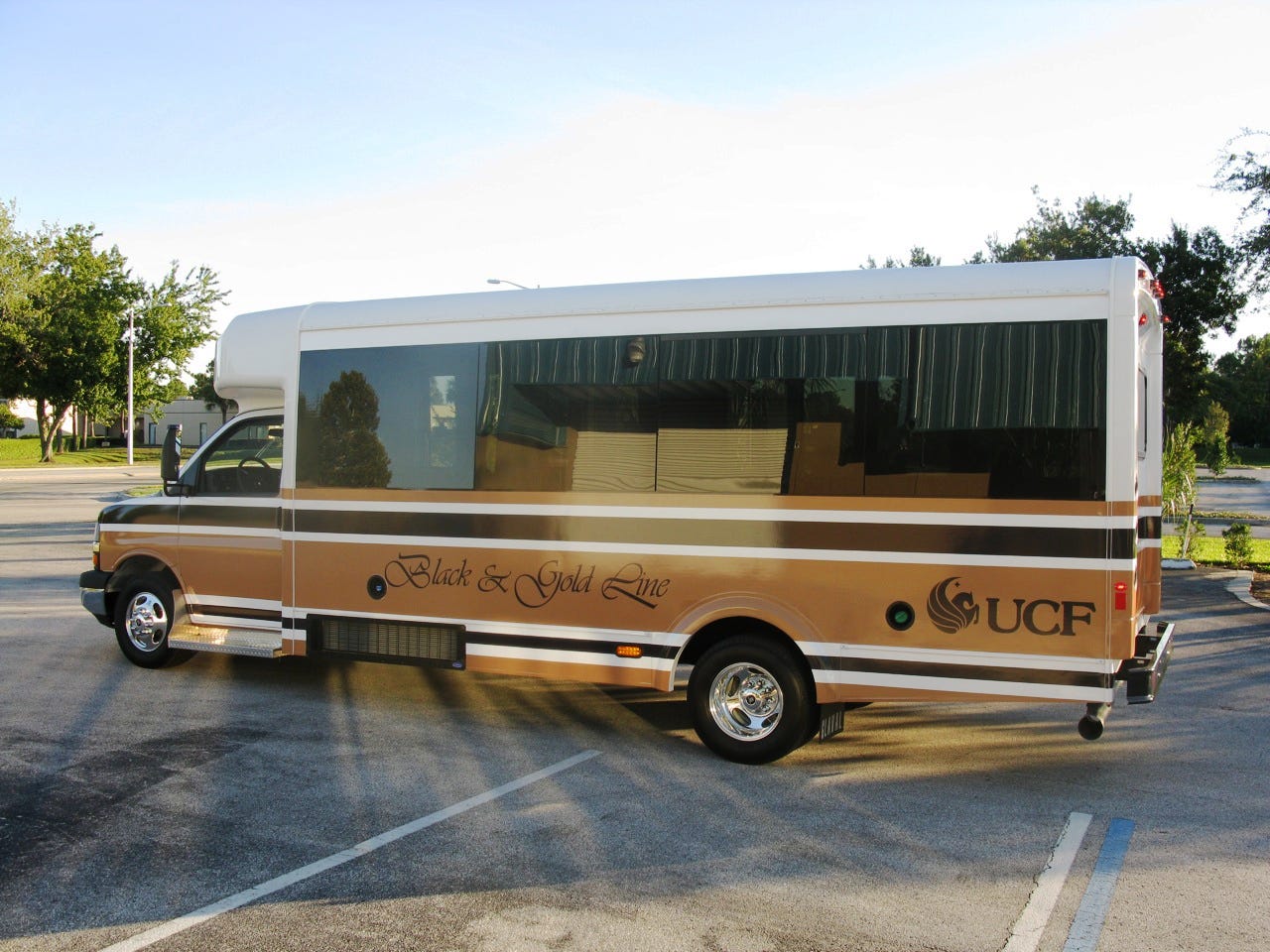
The operation generated roughly $15 million in annual revenue. It ran 24/7. Nearly 200 employees. Close to 100 vehicles. Major contracts with Walt Disney World and The University of Central Florida. On paper, it looked substantial. Established. Important.
And it was losing money.
There had been understandable optimism when I stepped into the role. Leadership transitions often create a short burst of momentum — new direction, renewed expectations, sharper tone. Meetings feel different. Conversations feel more urgent. People lean in.
For a few months, that momentum carried us.
Then reality settled in.
Revenue was stable. Vehicles were moving. Schedules were full. Operationally, the company looked busy and important.
But profit wasn’t improving.
And that’s when the quote stopped being abstract.
Looking Beneath the Activity
Nearly 50% of our total revenue came from our largest segment of business. I had been told that this segment was stable — that margins were healthy enough to support growth and that performance issues lived elsewhere.
At first glance, the P&L appeared to support that narrative. Revenue was solid. Expenses were categorized. The company was active and visibly engaged.
But summary-level financials only tell part of the story.
I remember sitting with the P&L open in front of me, realizing it wasn’t giving me the clarity I needed. Revenue was clear. Expenses were grouped. But I couldn’t see where small variances were accumulating or how operational decisions were influencing margin day to day.
There wasn’t a clean margin breakdown by contract. There wasn’t shift-level visibility into labor impact. There wasn’t structured insight into supervision effectiveness or fleet utilization patterns.
If we were going to understand what was really happening, we would have to build that visibility.
So, we began reconstructing performance from the ground up — examining overtime patterns, supervision coverage, fleet utilization, maintenance variance, and dispatch decisions to understand how they were influencing margin in practical terms.
What emerged wasn’t dramatic.
It was subtle.
Margins in that largest segment were tight. Very tight.
The business wasn’t collapsing. It was fragile.
The difference between acceptable performance and loss wasn’t large strategic missteps. It was operational precision.
A small labor variance.
An unmonitored maintenance trend.
Inconsistent supervision across shifts.
A dispatch decision that added just enough inefficiency to erase cushion.
Individually, these looked minor.
Collectively, they erased profit.
When half your revenue operates on thin margins, small inconsistencies become structural risk.
It wasn’t broken.
It was brittle.