


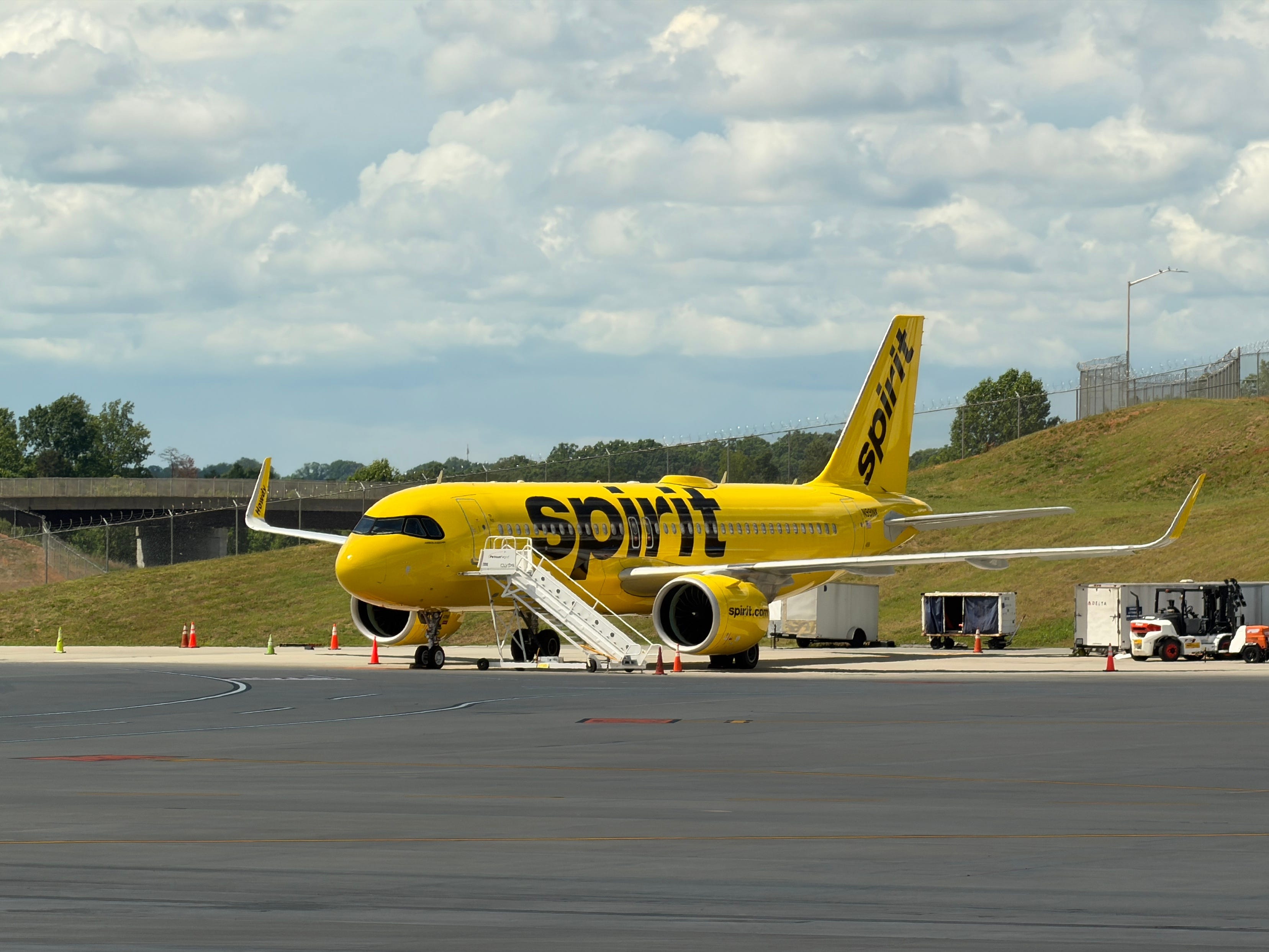
Much of the conversation around Spirit Airlines’ collapse has focused on fuel prices, the economy, and the failed merger with JetBlue Airways.
And to be fair, all of those things mattered.
Spirit itself pointed to rising jet fuel prices and instability in the Middle East as part of the pressure the airline was facing.
But after reviewing the company’s filings and restructuring history, it's clear those issues were the final blows to a business already under significant pressure for years.
The problems had been building for years.
Much of this becomes clear when reviewing Spirit’s 2025 SEC 10-K filing and January 2026 operating results disclosed in its 8-K filing.
The filings paint a much more complicated picture than simply “fuel prices” or a weak economy.
They show a business that had been dealing with shrinking revenue, grounded aircraft, lease pressure, operational disruption, and tightening financial flexibility long before the latest fuel spike arrived.
Spirit’s collapse was really the result of several pressures hitting the business at the same time:
shrinking revenue
high fixed costs
grounded aircraft
lease obligations
labor pressure
operational disruption
debt
and failed strategic options
In many ways, Spirit became a case study in what happens when a company’s business model, cost structure, and operating realities stop lining up.
And there are lessons in that for ground transportation operators too.
The Problems Started Long Before Fuel Spiked
The easy explanation is to say fuel prices killed Spirit.
But the numbers tell a much bigger story.
Revenue dropped from about $4.9 billion in 2024 to about $3.8 billion in 2025 — a decline of nearly 23%.
That’s not just fuel.
That’s a business under real pressure.
Even worse, Spirit was spending about $1.20 for every $1.00 it brought in before interest expense and restructuring costs.
That’s almost impossible to sustain for long.
And while the company cut costs, many major expenses didn’t fall fast enough to keep up with the shrinking business.
Transportation operators understand this very well.
When revenue drops, the bills don’t suddenly disappear.
The payments are still there.
Insurance is still there.
Facilities are still there.
Leases are still there.
Payroll is still there.
That’s where businesses start getting squeezed.
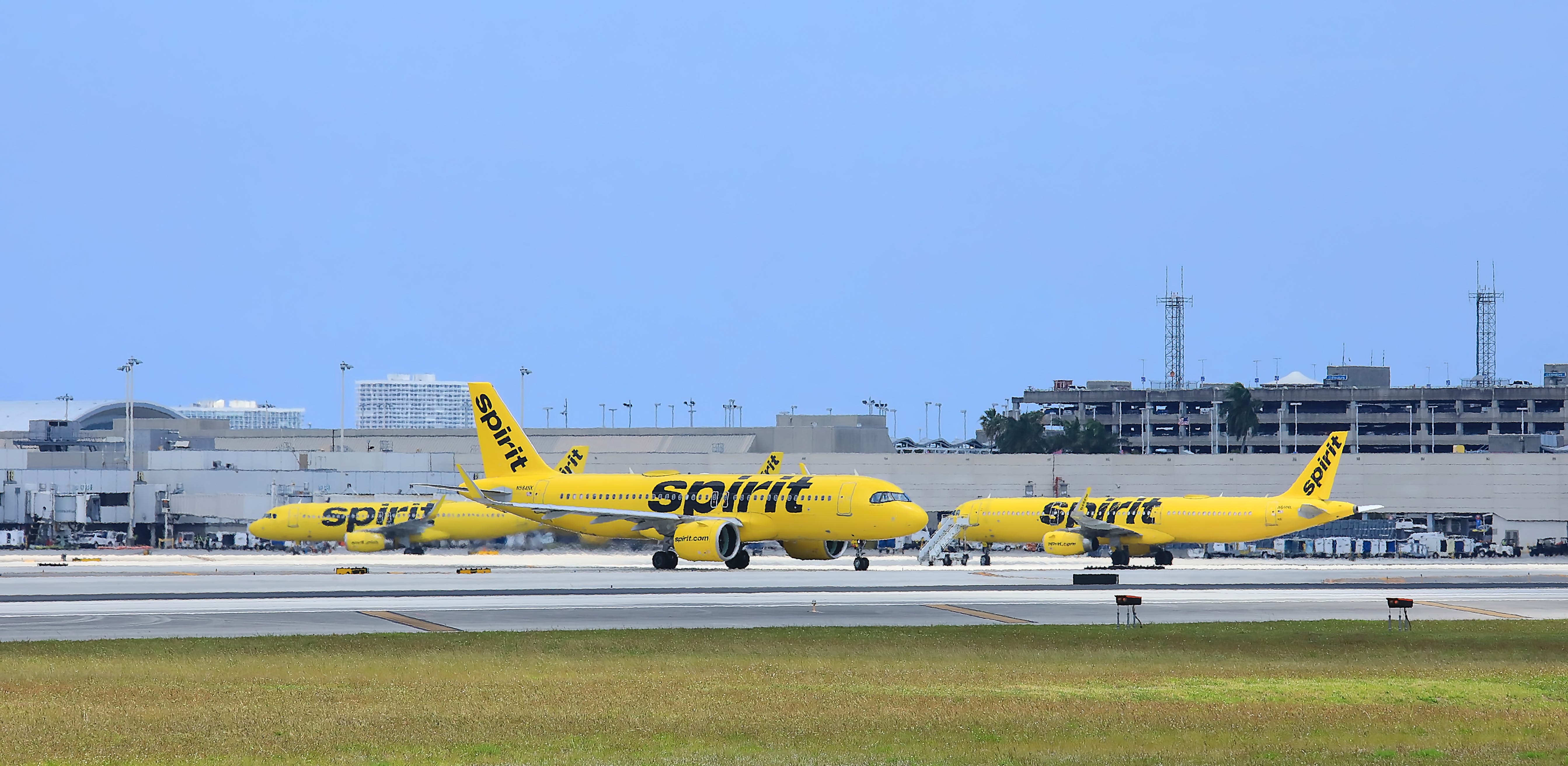
The Fleet Problems Ran Deeper Than Overcapacity
At first glance, Spirit’s fleet problems looked like a simple overcapacity issue.
But the filings point to something more complicated.
Spirit had invested heavily in newer Airbus Neo aircraft that were supposed to improve fuel efficiency and support the airline’s long-term strategy.
Then Pratt & Whitney engine issues began grounding aircraft for extended periods.
