
Last week, I read an article about Arkansas Governor Sarah Huckabee Sanders being asked to leave a Little Rock restaurant because her presence made some employees uncomfortable due to her political views.
After digging into it, the situation was more nuanced. The party had already been there for over an hour, had finished their meals, and had paid. They were approaching the restaurant’s 90-minute table limit. The restaurant later acknowledged that allowing them to stay could be perceived as a lack of support for their staff, while also recognizing that asking them to leave could be viewed as denying service based on differing beliefs.
Where I come from, having the sitting governor of your state visit your place of business—regardless of political affiliation—would be considered a positive.
There are more than 700 restaurants in Little Rock. The fact that the governor and her party chose yours to patronize would have been viewed as a good thing—not because of politics, but because of what it represents: visibility, demand, and an opportunity to deliver a great experience.
And that’s where this shifts from a news story to a leadership decision.
Arkansas isn’t a politically mixed environment. It’s a deeply conservative state. Sarah Huckabee Sanders won her election by nearly 30 points. Republicans hold a dominant share of statewide offices, legislative seats, and the congressional delegation. A Democrat hasn’t won a statewide office there in well over a decade.
That context matters.
Because businesses don’t operate in a vacuum. They operate in markets with customers, expectations, and realities that are already well established.

That situation immediately reminded me of my time at The Walt Disney Company.
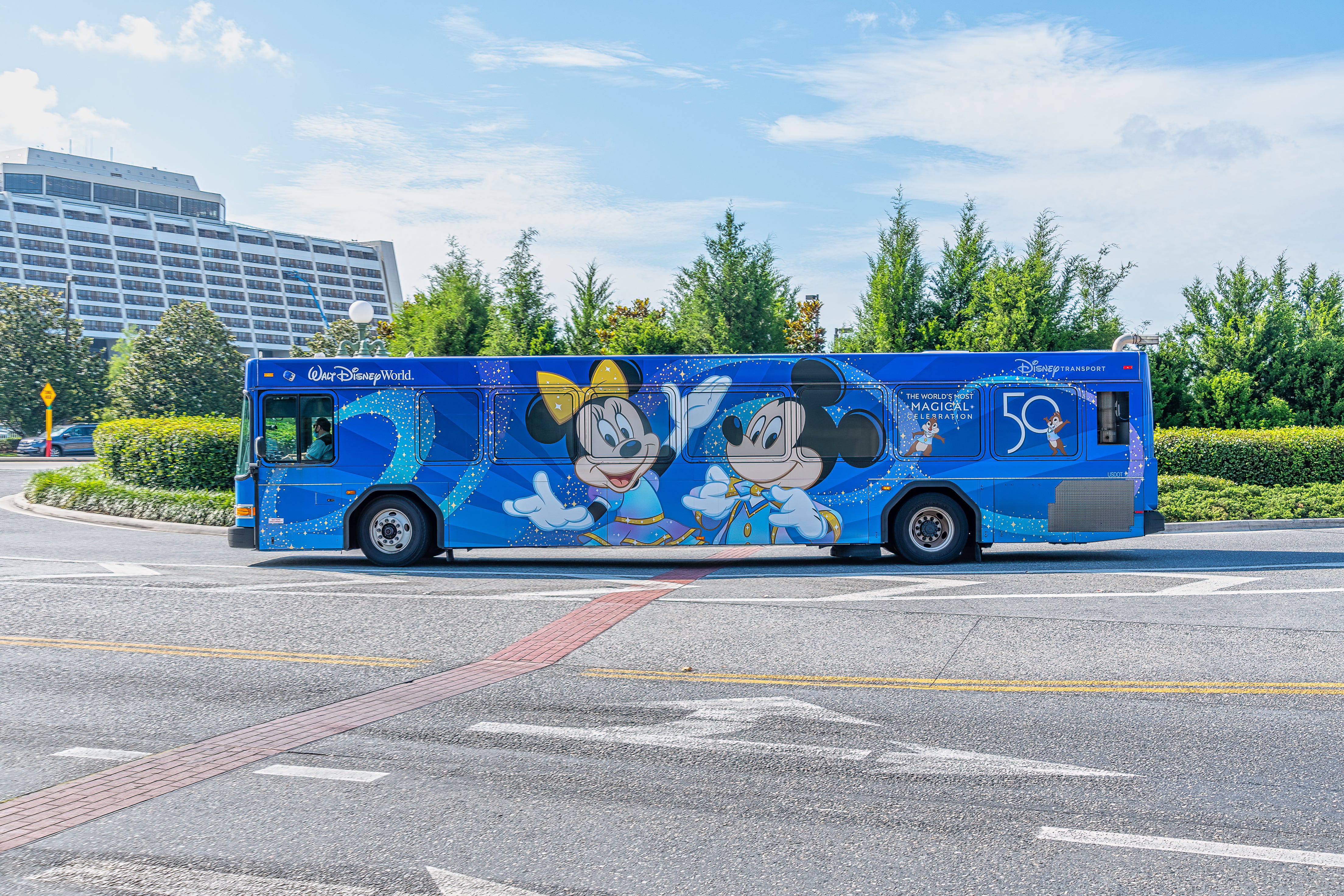
In 2022, then-CEO Bob Chapek shifted Disney from behind-the-scenes advocacy to a very public position on Florida’s Parental Rights in Education bill.
Having worked there at the time, I can tell you this firsthand: that shift didn’t solve the problem.
It may have satisfied some employees, but it did little to appease those who were most upset. Given his general unpopularity at the time, particularly among certain employee groups, the move didn’t achieve the internal alignment it was intended to create.
At the same time, it pulled the company into a direct conflict with Florida Governor Ron DeSantis—a move that carried real consequences both publicly and operationally.
And just like Arkansas, Florida wasn’t a neutral environment.
Governor DeSantis had strong public support, later reinforced by a decisive re-election victory. His position on the issue was well known and aligned with a significant portion of the state’s electorate.
That context matters just as much.
Because when Disney took a public stance, it wasn’t stepping into open space—it was stepping into an already defined political and market reality.
In both cases, the organization made a choice.
Not a neutral one—but a visible decision to align with one side of a broader issue.
And in both cases, that choice ran counter to a meaningful portion of the market they serve.
While the future impact on the Little Rock restaurant is unknown, in the Disney example, within weeks, Florida moved to dissolve its special taxing district—a structure that had provided a competitive advantage for more than 50 years.
The market response was just as telling.
The Friday before the controversy escalated, Disney stock closed at $137.48. One week later, it was down roughly 6%. Three months later, down 24%. Eight months later, after Bob Iger returned as CEO, it was still down more than 35%.
More notably, in late March 2022, the stock briefly rallied to around $139. That remains the high-water mark nearly four years later—despite leadership changes and significant investment.
Over that same period, the broader market—represented by the Dow Jones Industrial Average—is up more than 30%.
No single decision drives stock performance. But leadership decisions—especially those that shift a company away from its core business—do have consequences. And markets tend to reflect that over time.